
Ghanas Inspiring History Unveiled
Discover Ghanas rich history, from ancient kingdoms to modern democracy, through vibrant festivals, stunning…
Ghana-Net.com · Museums & Memorials
Ghana's museums are not the polished, well-funded institutions you may be used to. Several have been closed for years at a time. But two or three of them will affect you more than anything in a European capital — and the most powerful is not a government museum at all.
Museum funding in Ghana is thin, and it shows. Opening hours are approximate, some collections are partly in storage, labelling can be sparse or dated, and closures for renovation have run for years rather than months. Always phone ahead. A website saying a museum is open is not evidence that it is open today.
That is the honest position, and it is not the whole story. What Ghana's museums lack in budget they make up for in what they hold: the seat of a living kingdom, the personal effects of the man who took the first African colony to independence, and — at Nkyinkyim — a memorial to the transatlantic slave trade that is among the most powerful works of art on the continent. Go for the substance, not the presentation.
One practical note that applies almost everywhere: photography is often restricted, particularly at the palace museums and at memorial sites. Ask first, accept the answer, and expect a camera fee where photography is allowed at all.
If you have come to Ghana for the heritage journey, these are the two that matter — and neither is a state institution. Both were built by individuals who decided the story was not being told properly, and both are more affecting than the official sites.
Two sites, five hundred kilometres apart, and they tell opposite halves of the same life. One is a national monument in the capital. The other is a modest tomb in the village where he was born. Seeing both is the point — the distance between them is the story of what Ghana did with Nkrumah after 1966.
Ghana's regional museums are small, underfunded and inconsistent — and Manhyia is one of the best museums in West Africa. Do not let the category fool you.
Ghana's two state museums in the capital. Both have had long periods of closure and renovation — check before you travel across Accra for either.
This is the single most useful line on this page. Opening hours published anywhere — including here — should be treated as an intention rather than a guarantee. Closures for renovation, staff shortages, public holidays and events all interrupt. A phone call the day before saves a wasted journey across Accra or Kumasi.
Most Ghanaian museums run guided rather than self-guided visits, and the guide is frequently better than the labelling. At Manhyia especially, the guide is the experience. Tip properly at the end — it is expected and the pay is modest.
Expect separate ticket prices for Ghanaians and foreign visitors, and a camera fee on top where photography is permitted at all. At the palace museums and at memorial sites, restrictions are real and enforced. Ask first. Carry cash — card facilities are unreliable or absent.
Manhyia works best before Kejetia and the kente villages. The Upper East museum before Sirigu. And the coastal castles at Cape Coast and Elmina belong in the same journey as Nkyinkyim and Bisa Aberwa — the forts show the machinery, the museums restore the people.
A word on the heritage journey. If you are visiting from the diaspora, the standard route is Cape Coast Castle and Elmina, and both belong on it. But the castles were built by the people running the trade, and they tell it in the trade's architecture. Nkyinkyim was built by a Ghanaian artist counting the individuals. Do both, and in that order if you can.
A comprehensive, region- and city-organized list of recognized public and private museums in Ghana, compiled from the Ghana Museums & Monuments Board and other reputable sources (as of mid-2025). The list will include the region, city, museum name, year of establishment (where available), and a brief description of each museum.
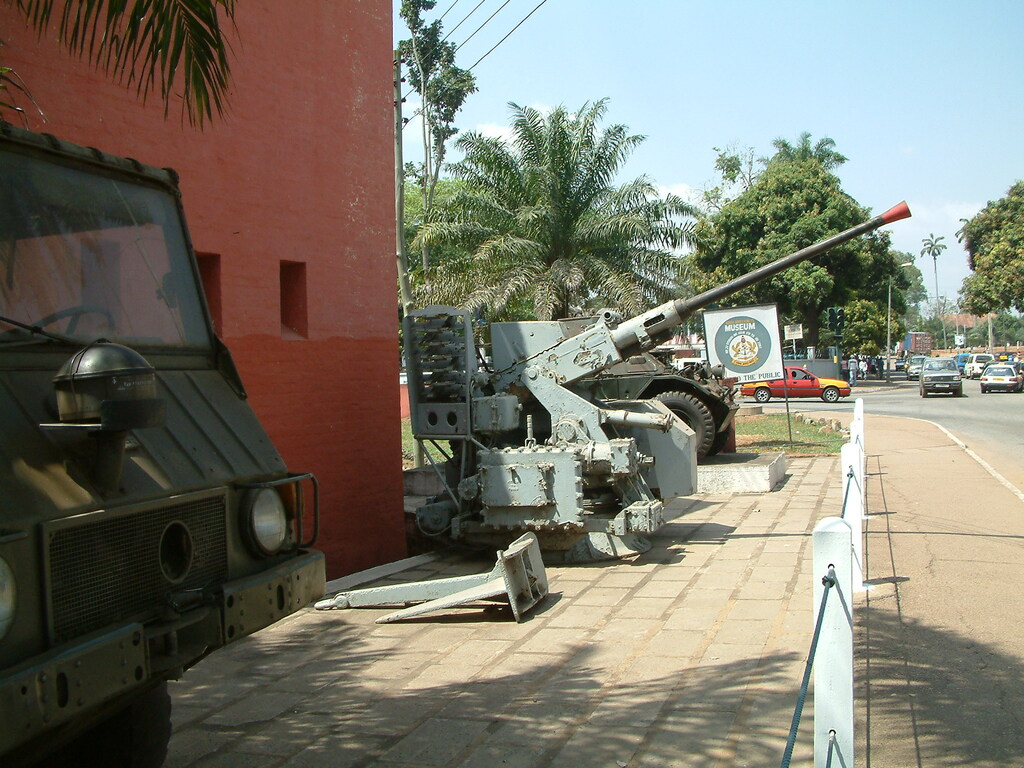
Kumasi Fort - Military Museum (c) Strictly by Remo Kurka
National Museum of Ghana – Accra (opened March 5 1957). Main national museum: archaeology, ethnography, art
Museum of Science and Technology (MOST) – Accra (opened 1965) – Accra (est. 1963). Focus on Ghana’s scientific and technological development
The Nkyinkyim Museum: Ghana’s Living Archive of African Memory and Art
Kwame Nkrumah Memorial Park & Mausoleum (Museum) – Accra. Dedicated to Ghana’s first president and Pan‑Africanist leader
W. E. B. Du Bois Centre (Du Bois Memorial Centre for Pan‑African Culture) – Accra. Research and exhibition centre on Du Bois’s work and African‑American history voltaregionalmuseum.ghana-net.com
Ussher Fort Museum – Accra (opened 2007). Housed in Ussher Fort, with exhibits on the slave trade
Osu Castle (Christiansborg Castle) Museum – Accra. Historic castle museum that presents Ghana’s colonial history ghana-net.com
Additionally, private/cultural art spaces often functioning museum‑like:
ADA (Ada Contemporary Arts) – Accra
Nubuke Foundation – East Legon, Accra, contemporary Ghanaian visual art gallery and cultural events
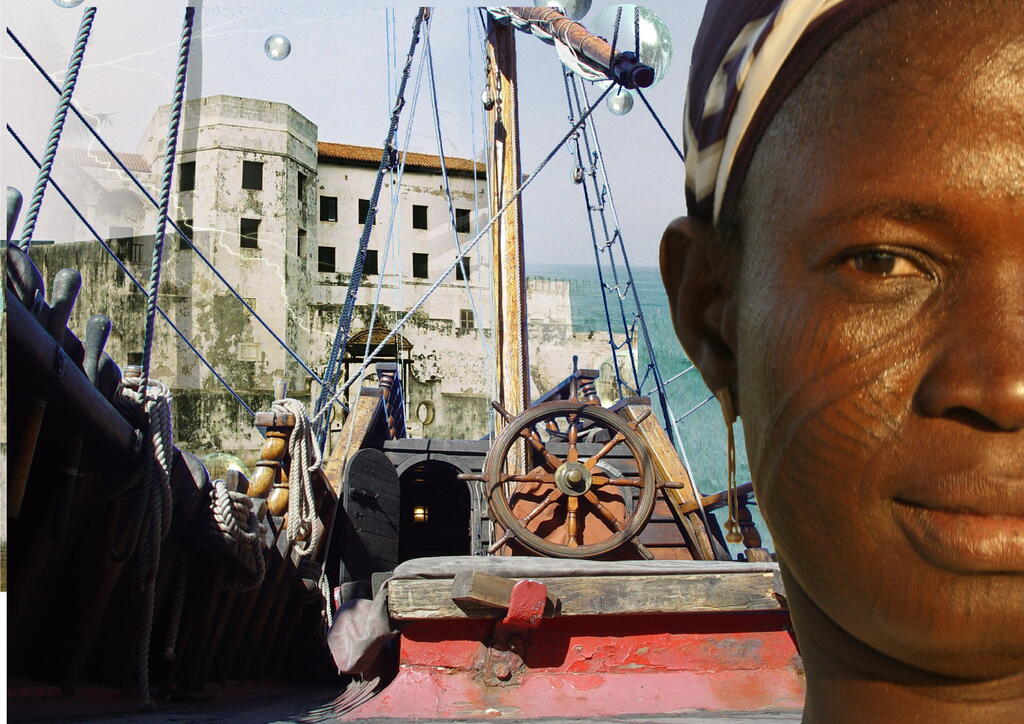
Composite Trans-Atlantic Slave Trade (c) Strictly by Remo Kurka
Cape Coast Castle Museum – Cape Coast (est. 1974). Slave‑trade museum housed in the castle wings.
St. George’s Castle (Elmina Castle) Museum – Elmina (est. 1997). Exhibitions on slave trade and local history inside the fort.
Gramophone Records Museum and Research Centre of Ghana (GRMRC) – Cape Coast (opened Dec 1994). Focused on Highlife music recordings and Ghanaian audio heritage
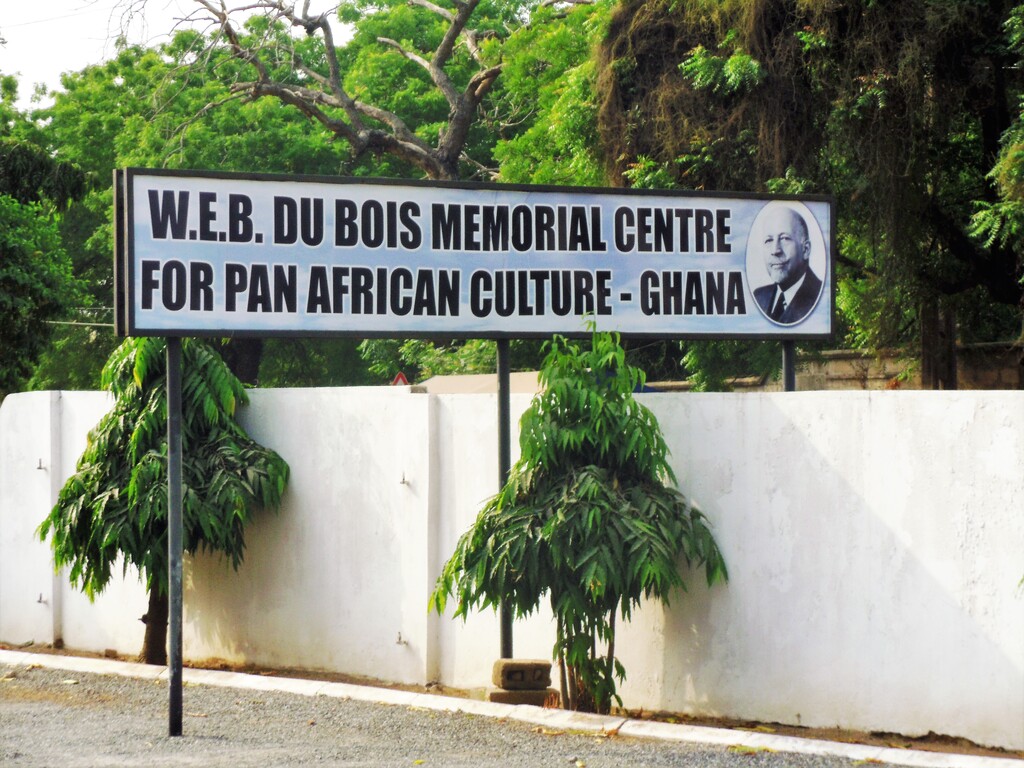
W.E.B. Du Bois Memorial Centre, Accra (c) Strictly by Remo Kurka
Manhyia Palace Museum – Kumasi. Palace‑museum of the Asantehene; Ashanti kingdom heritage Assured
Prempeh II Jubilee Museum – Kumasi (established 1974). Named for Asantehene Prempeh II; culture, regalia of Ashanti Kingdom ghana-net.com
Armed Forces Museum (Kumasi Fort Museum) – Kumasi (converted to museum 1953). Military history and Anglo‑Ashanti conflict exhibits
Nurom Hat Museum – Kumasi (est. 1960). Collections of hats from around the world in Kumasi
Yaa Asantewaa Museum – Ejisu (near Kumasi) (est. 2000). Honors Queen‑mother Yaa Asantewaa; original building destroyed by fire, undergoing reconstruction ghana-net.com
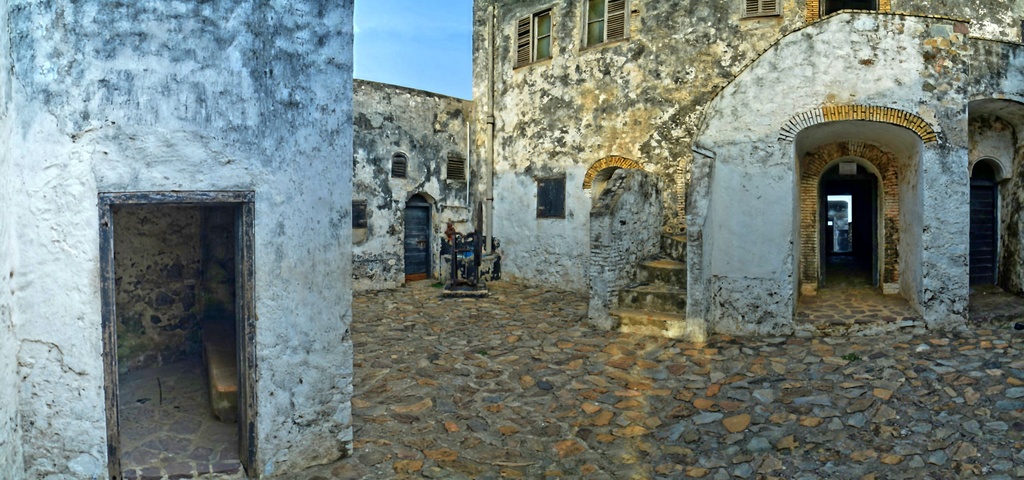
Fort Patience, Apam (c) Strictly by Remo Kurka
Volta Regional Museum – Ho (est. 1973, current location opened 1991). Implements Volta Region history, traditions, crafts voltaregionalmuseum.ghana-net.com
Upper East Regional Museum – Bolgatanga (est. 1972, current 1991). Exhibits local traditions and cultural artefacts of Upper East Region
Fort Apollonia Museum of Nzema Culture and History – Beyin (Western Region) (est. 2010). Highlights Nzema culture inside Fort Apollonia ghana-net.com
Fort San Antonio Museum – Axim (Western Region) (est. 2012). Museum at the historical fort, with local history exhibitions
A more recent addition - The Bisa Aberwa Museum, Pan-African. Dedicated to honoring the heroes and heroines of Africa and its diaspora, the museum is home to one of the world’s largest private collections of Pan-African historical artefacts.
| Region | City / Town | Museum | Est. Year |
|---|---|---|---|
| Greater Accra | Accra | National Museum | 1957 |
| Accra | Museum of Science & Technology | 1963/1965 | |
| Accra | Kwame Nkrumah Memorial Park & Museum | 1992 | |
| Accra | W.E.B. Du Bois Centre | – | |
| Accra | Ussher Fort Museum | 2007 | |
| Accra | Osu (Christiansborg) Castle Museum | – | |
| Accra | Nubuke Foundation (art gallery) | – | |
| Central Region | Cape Coast | Cape Coast Castle Museum | 1974 |
| Elmina | Elmina Castle (St George’s) Museum | 1997 | |
| Cape Coast | Gramophone Records Museum | 1994 | |
| Ashanti Region | Kumasi | Manhyia Palace Museum | – |
| Kumasi | Prempeh II Jubilee Museum | 1974 | |
| Kumasi | Armed Forces Museum (Kumasi Fort) | 1953 | |
| Kumasi | Nurom Hat Museum | 1960 | |
| Ejisu | Yaa Asantewaa Museum | 2000 | |
| Volta Region | Ho | Volta Regional Museum | 1973 / 1991 |
| Upper East Region | Bolgatanga | Upper East Regional Museum | 1972 / 1991 |
| Western Region | Beyin | Fort Apollonia Museum | 2010 |
| Axim | Fort San Antonio Museum | 2012 |
Western Region Secondi Bisa Aberwa Museum, Pan-African 2019
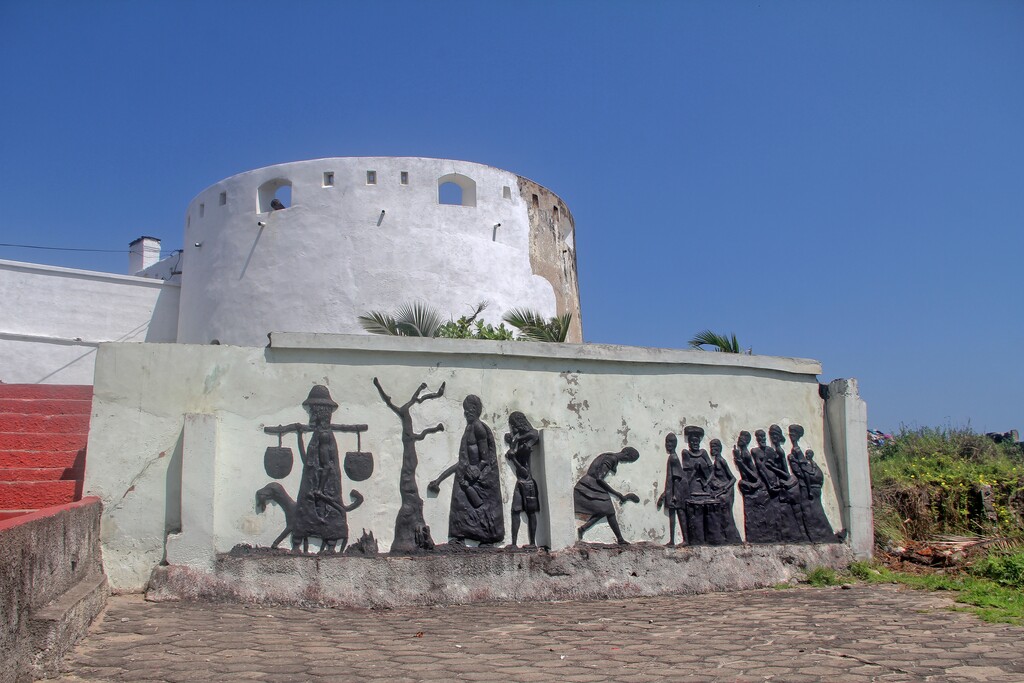
Cape Coast Castle, cape Coast, central region of Ghana (c) Strictly by Remo Kurka
This list includes the eight main public museums under the Ghana Museums & Monuments Board plus several regional museums and selected private/heritage museums voltaregionalmuseum.ghana-net.com, ghana-net.com
Some museums (like the Yaa Asantewaa Museum) have ongoing reconstruction or limited opening status. The Yaa Asantewaa site was destroyed by fire in 2004 and reconstruction was funded in 2016; its full reopening remains pending Wikipedia.
Private art spaces (e.g. Nubuke Foundation, ADA) offer exhibitions and events but may not be typical museums.