
Ghanas Inspiring History Unveiled
Discover Ghanas rich history, from ancient kingdoms to modern democracy, through vibrant festivals, stunning…
ghana-net.com always freshly updated - your current source for Ghana travel news, practical guides, and real updates.
In December 2000, I launched ghana-net.com with a simple mission: to tell the story of Ghana truthfully, through good photography, practical information, and honest reporting.
Back then, there was no dedicated official Ghana tourism website. No Visit Ghana portal. No glossy government campaigns. No sophisticated digital marketing. The internet in Ghana was still in its infancy, and official tourism promotion online was virtually non-existent.
For many years, I was largely alone in this digital space—travelling the country, photographing, documenting, archiving, and promoting Ghana's history, culture, people, and heritage while most official institutions were still asleep.
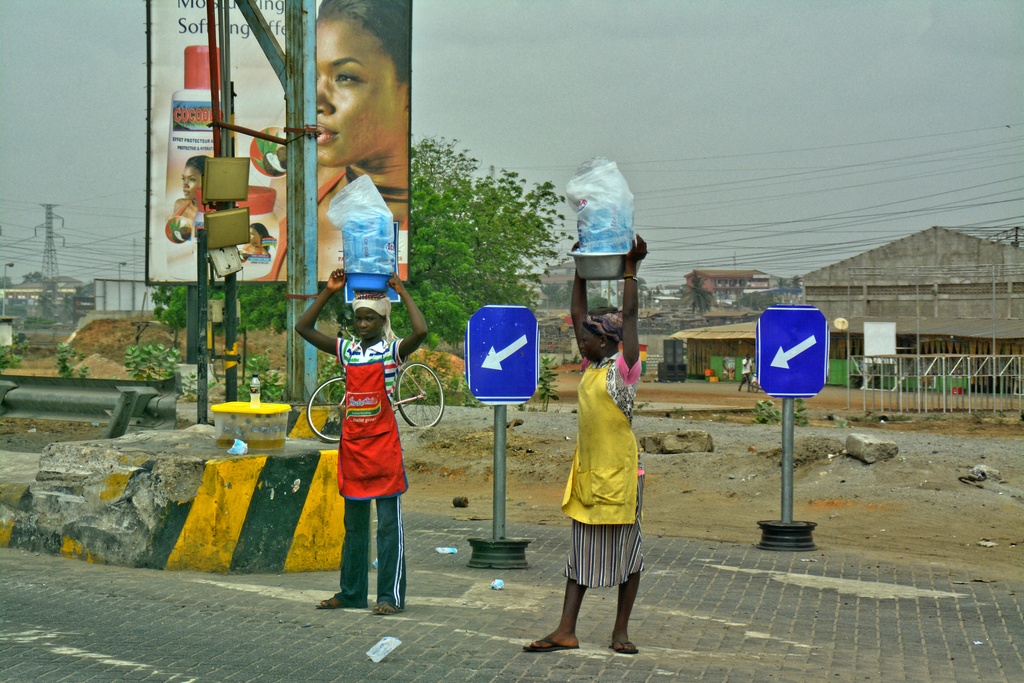
2016 - Accra Tema Motorway (c) Remo Kurka
Better because Ghana has grown. The diaspora is stronger and more connected than ever. More people around the world are interested in Ghana's castles, culture, festivals, cuisine, and history.
Worse because, despite endless speeches, conferences, slogans, and promotional campaigns, many of the country's fundamental problems remain unchanged—or have become even worse.
When I first travelled across Ghana 25 years ago, one image was impossible to ignore. Women—and even children—stood along roadsides selling "Ice Water" (sachet water), soft drinks, fruit, bread, and every imaginable food item. They ran after moving vehicles, hoping to earn just enough money to survive another day.
Twenty-five years later, that picture has hardly changed.
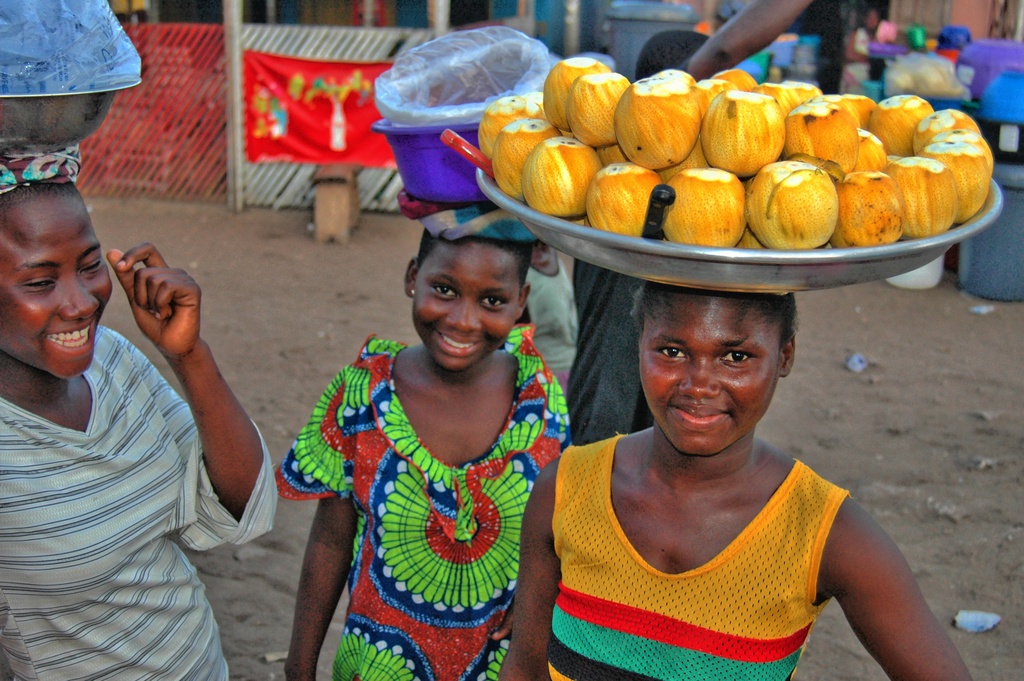
2008 near Nungua police barrier (c) Remo Kurka
It remains part of everyday life on the streets and highways across most of Ghana.
That alone says more about economic progress than many official reports ever will.
Today, another crisis has been added: galamsey—illegal small-scale gold mining. Around 1.5 million Ghanaians, together with foreign operators, are estimated to be involved directly or indirectly. Rivers are polluted, forests destroyed, farmland lost, and entire ecosystems damaged. While governments promise action, illegal mining continues to expand, leaving behind environmental destruction that will take generations to repair.
Meanwhile, the gap between rich and poor has widened dramatically.
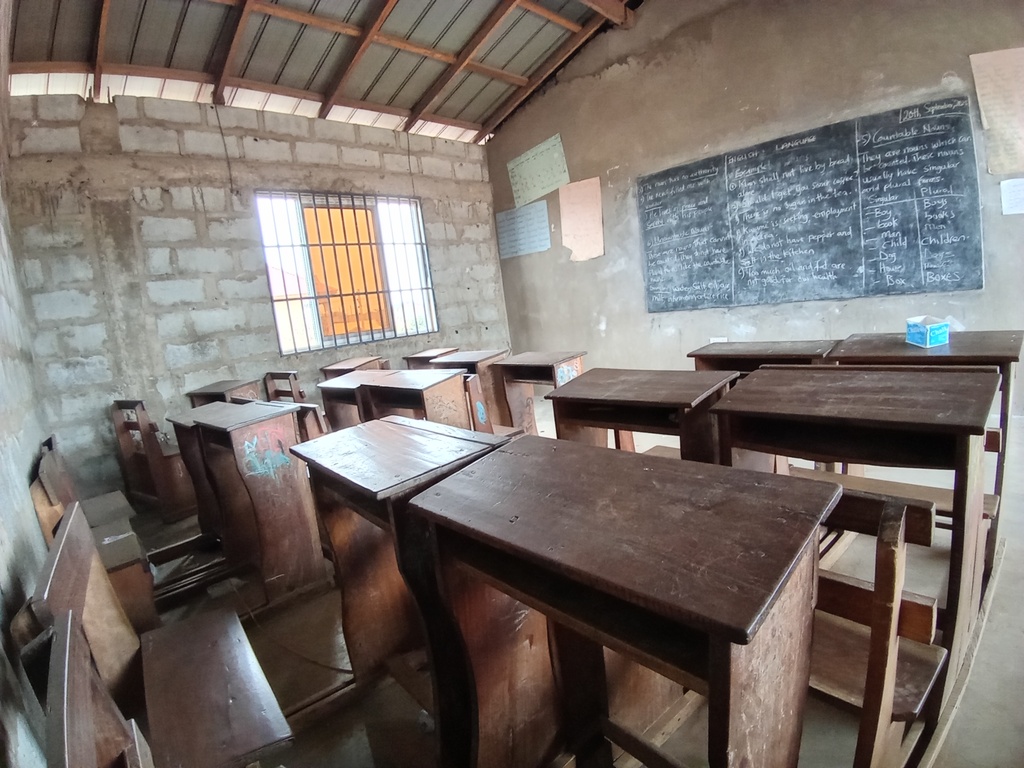
2026 - That's a school. A privately owned. Means, parents have to pay extra school fees. One of the many not shown on prospects. And this is even a nice room. (c) Remo Kurka
Ordinary Ghanaians struggle with rising living costs, while governments continue spending enormous sums on themselves—new fleets of official vehicles, expensive travel, allowances, and prestige projects.
Education remains under immense pressure. Schools built for around 600 pupils are, in some cases, expected to accommodate several thousand. Classrooms are overcrowded, teachers remain in short supply, and educational quality inevitably suffers.
Infrastructure tells a similar story.
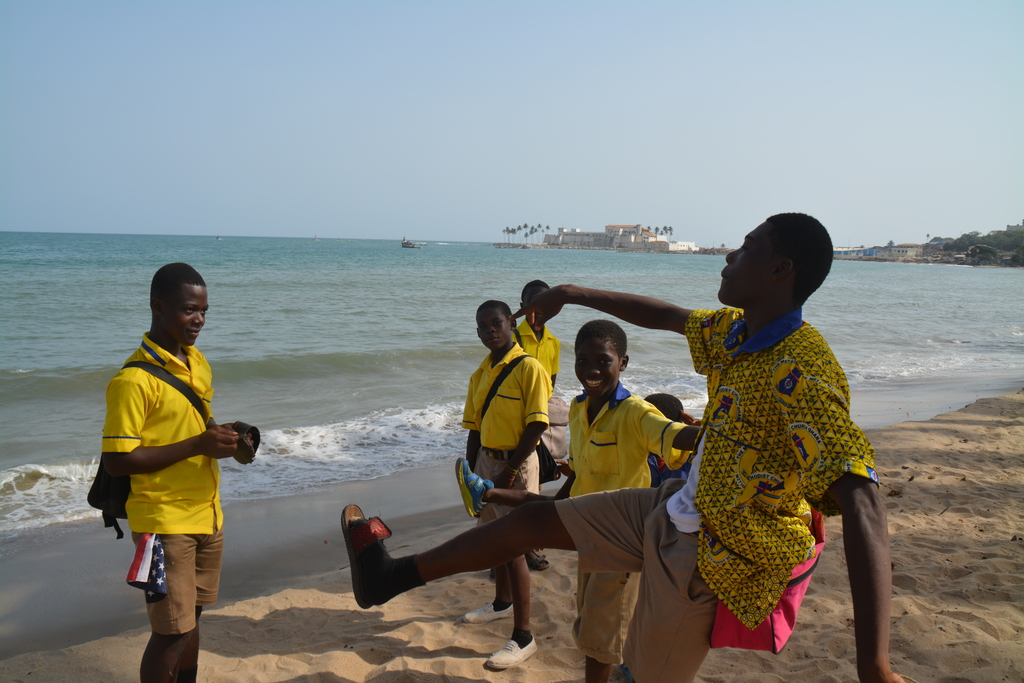
Ghana, happy kids at Elmina beach, near Elmina Caste (c) Remo Kurka
Roads constructed in the early 2000s have already deteriorated badly. Many newer roads have followed the same path. Governments announce ambitious projects with great fanfare, but too many remain unfinished. Each new administration often abandons projects started by its predecessor, choosing instead to launch new ones for political credit. Ghana seems trapped in a continuous cycle of half-completed developments and repeated announcements.
Basic public services continue to fail.
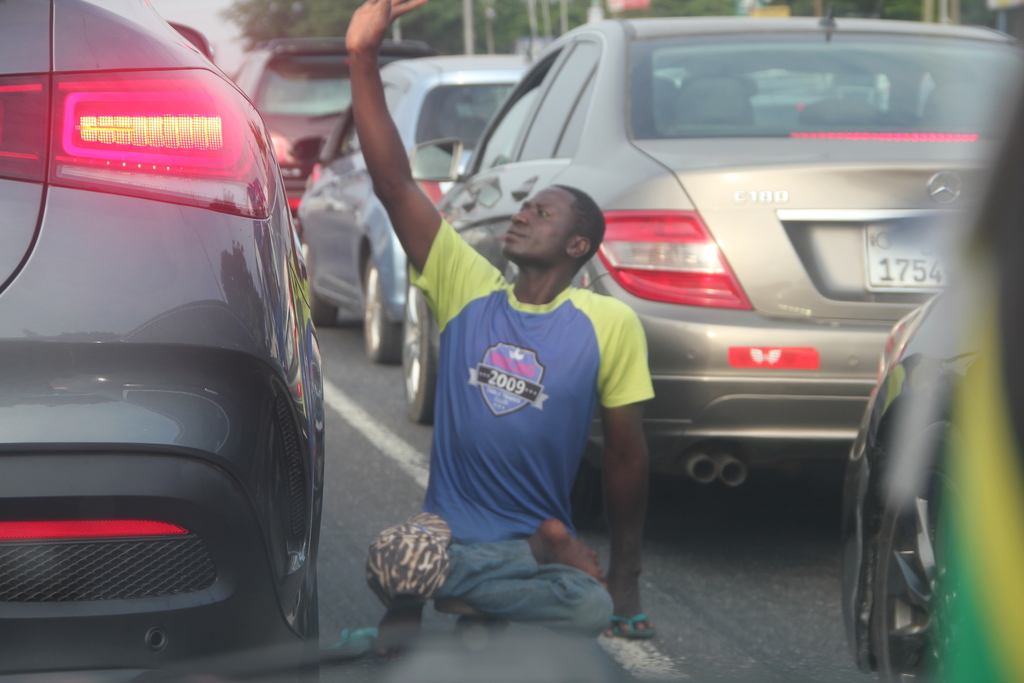
Very much reality in Ghana. The rich and the poor. Ghana 2026, Accra (c) Remo Kurka
Power cuts have affected the country for years. Water shortages continue—even in Greater Accra. A reliable nationwide railway network still does not exist.
Ironically, in the late 1990s and early 2000s, Ghana still had functioning railway services linking Takoradi, Obuasi, and Kumasi, while other sections of the colonial-era railway network were also operational. Much of that infrastructure has since disappeared, with promised replacements arriving only slowly—or not at all.
Urban planning remains another chronic failure.
Building permits continue to be issued for waterways and flood-prone areas, despite decades of warnings. The devastating flooding in Accra in May 2026 and the recent massive late June 2026 flood are not isolated disasters but another chapter in a problem that has persisted for more than seventy years. Poor planning, weak enforcement, and corruption continue to cost lives and destroy property every rainy season.
Tourism promotion often exists far more on paper than on the ground.
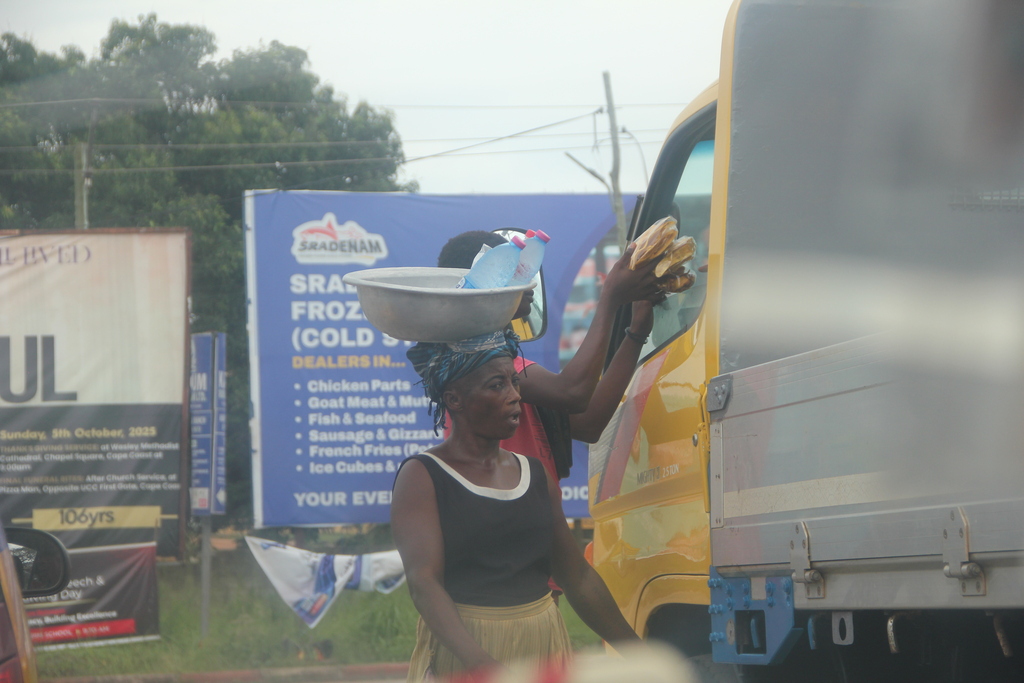
Ghana 2026 - Roadside vendors offering water and food to travelers, Often the only way of earning any money, at all Ghana 2026 (c) Remo Kurka
Brochures, press releases, and international campaigns present an attractive image, yet physical infrastructure frequently tells a different story. Historic monuments deteriorate. Museums remain underfunded. Visitor facilities often fall below international standards. Important heritage sites receive little maintenance while official statements celebrate successes that many visitors simply cannot see.
Even today, as I write this, some official tourism websites suffer from neglect, while others are rarely updated and often present selective history and polished narratives instead of practical, reliable information.
This is not negativity.
It is reality.
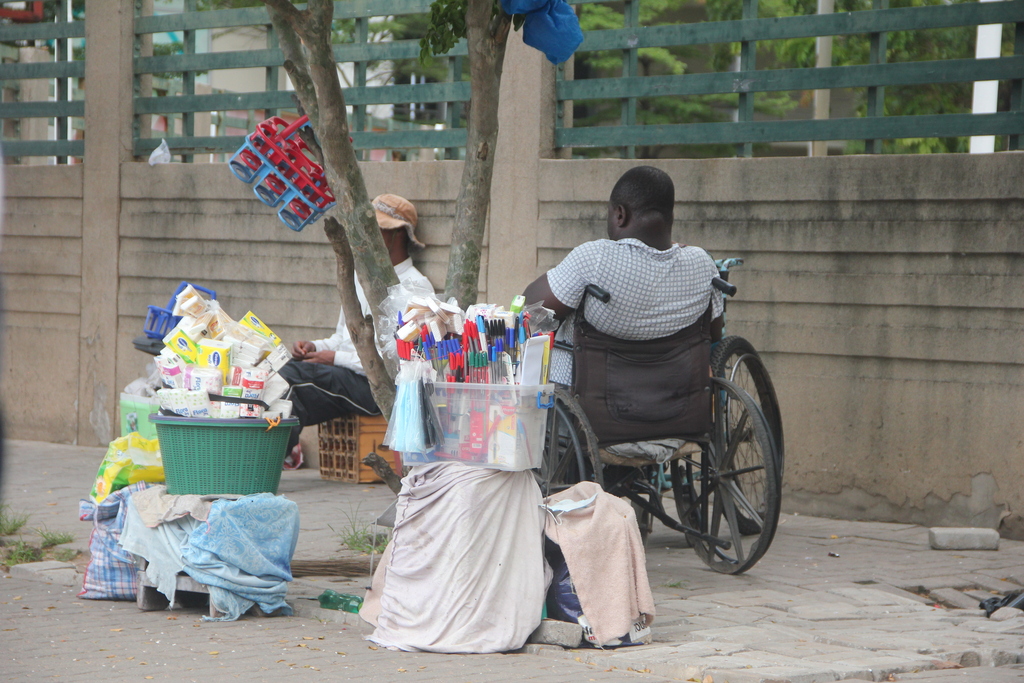
Accra 2026 - Disabled offering goods. There is hardly any Gov support. Owning a wheelchair is not common in Ghana. (c) Remo Kurka
For twenty-five years I have promoted Ghana positively—its people, its extraordinary heritage, its festivals, its landscapes, its cuisine, and its enormous potential.
I will continue to do so.
But I refuse to join the chorus of sugar-coating, selective storytelling, and historical revisionism.
Ghana deserves better than propaganda.
Its people deserve better governance.
Its heritage deserves better protection.
Its history deserves honesty.
One fact is often overlooked when discussing Ghana's economy. What continues to sustain countless families is not government policy alone, but the Ghanaian diaspora. Every year, Ghanaians abroad send home an estimated US$6–7 billion in remittances, supporting relatives, businesses, education, healthcare, and local communities. These funds have become one of the country's most important economic lifelines.
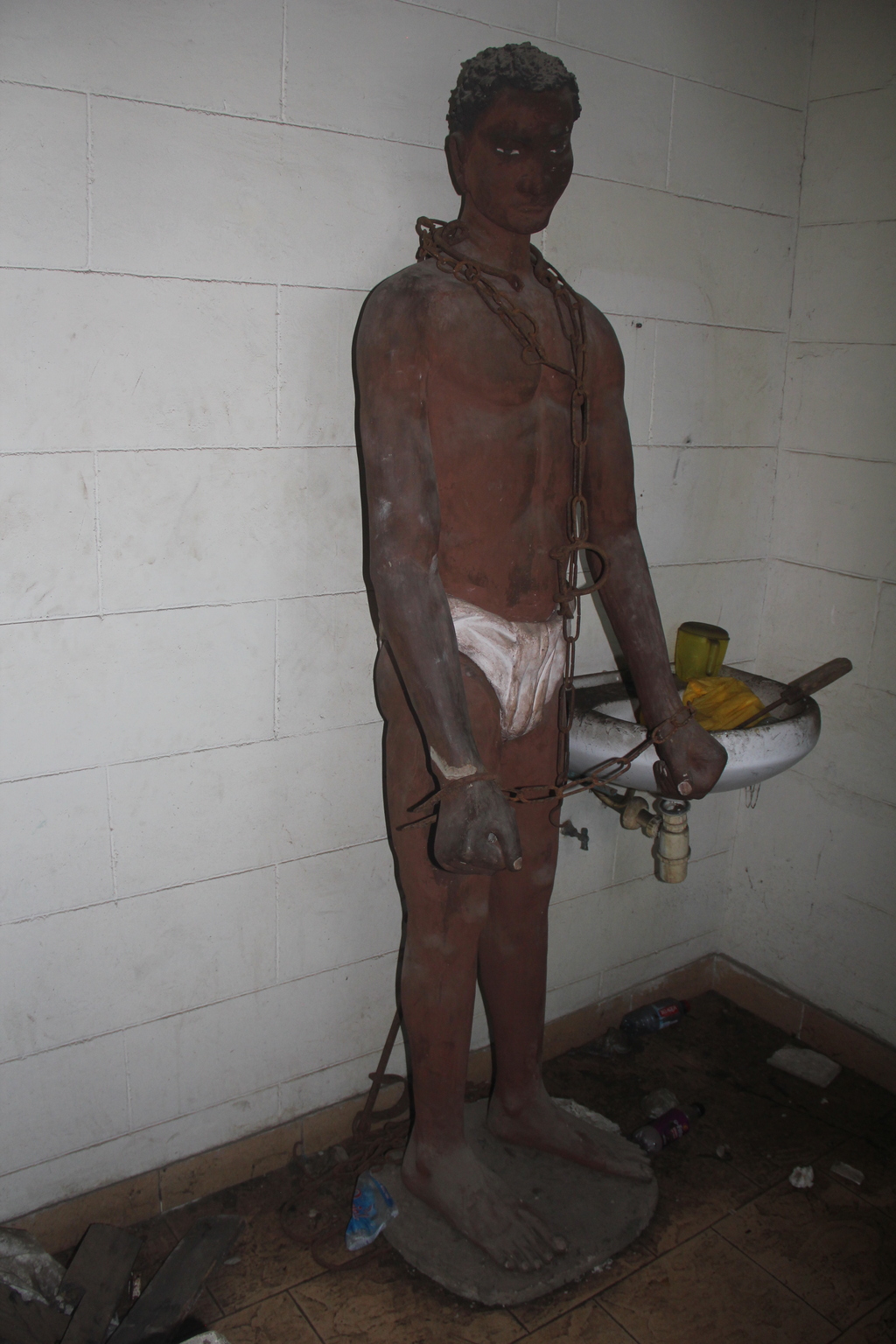
Ghana's heritage deserves better protection.
Its history deserves honesty.
Former display of a slave, Fort Ussher Museum, Accra. Now abandoned in a storage bathroom at Ussher Fort, Ghana 2026 (c) Remo Kurka
Likewise, the Year of Return in 2019, initiated under President Nana Akufo-Addo's administration, encouraged significant investment and renewed interest from African Americans and members of the wider African diaspora. That initiative undoubtedly brought attention, investment, and new opportunities.
Yet for many ordinary Ghanaians, daily life has not become significantly easier.
This independent network—ghana-net.com and all its connected websites—was built with boots on the ground.
Real journeys.
Real photography.
Real experiences.
No government funding.
No expensive consultants.
No marketing agency.
Just one person's commitment to documenting Ghana honestly since before most official digital tourism projects even existed.
As Ghana approaches its 70th anniversary of independence in 2027, my mission remains exactly the same:
Thank you to everyone who has visited, shared, contributed to, and supported these websites over the past twenty-five years.
Whether you come for the castles, the history, the photography, practical travel advice, or simply because you value honest information—you are part of this journey.
Ghana is far greater than any failed website, neglected monument, or political administration.
The true promotion of Ghana does not happen through slogans.
It happens through honest voices, independent documentation, and people who continue doing the work year after year.
Twenty-five years completed.
The journey continues.
— Remo Kurka
Ghana-Net Network
June 2026