
Western Region · Regional capital
Sekondi-Takoradi
Ghana's first deep-water harbour, its first railway, a Dutch fort with a lighthouse on its back — and a city most visitors only see through a bus window on the way to the beaches further west.
- RegionWestern
- Twin city since1946
- Harbour opened1928
- To Accraapprox. 225 km
- Best monthsDec – Mar
- Also known asOil City
Two towns, one capital, and a reputation it has not earned
Sekondi-Takoradi is two places that grew into one. Sekondi, to the east, is the older: a Fante and Ahanta coastal town with a Dutch fort, the terminus of Ghana's first railway, and for decades the administrative centre. Takoradi, to the west, was a small fishing settlement until the British built a harbour there in the 1920s and the town grew around it. The two were merged into a single municipality in 1946, and the hyphen has stayed ever since.
Most travellers treat the city as a transfer point. They come in on the coast road from Cape Coast, change trotros at the station, and head straight on to Busua, Dixcove or Nzulezu. That is understandable — the beaches are further west — but it means driving past the place where modern Ghana's economy was physically built: the harbour that shipped the cocoa, manganese and timber, and the railway that brought the gold down from Tarkwa and Obuasi.
Set your expectations correctly. This is a working port and industrial city, not a resort. It is spread out, busy and practical. It is also one of the more relaxed large cities in Ghana, with a sea breeze Accra does not get, and enough history in its streets to fill a day properly.
The railway — where it all started
Ghana's railway age began here. Construction of the line from Sekondi to Tarkwa started at the end of the 1890s to reach the gold mines inland, and it was pushed on to Kumasi, which it reached in 1903. It was not built to move people. It was built to move minerals to the sea, and everything about its route follows that logic.
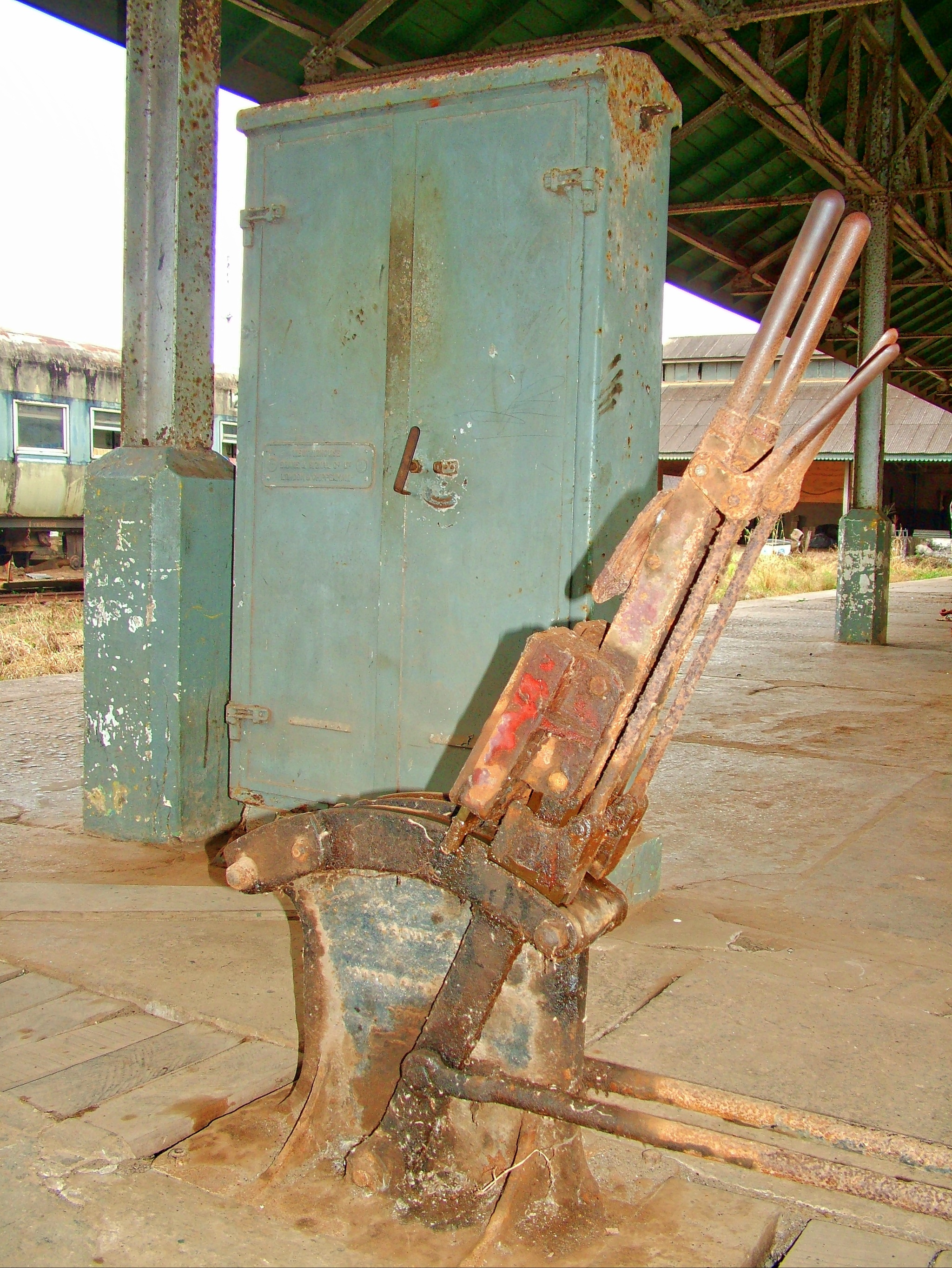
The railway also made Sekondi-Takoradi a workers' city, and that has political weight. In September 1961 the railway and harbour workers here led a general strike against the Nkrumah government's austerity budget — one of the first open challenges to the new state by the very labour movement that had helped bring it to independence. If you want to understand why this city has always had a slightly different temperament from Accra, start there.
Much of the old network fell out of use over the following decades. Parts of the western line have since been restored, and passenger services on the corridor have come and gone more than once. Check what is actually running before you plan around it — the rails being there does not mean a train is.
Takoradi Harbour — Ghana's first deep-water port
Before 1928, goods on the Gold Coast were loaded the hard way: surf boats rowed out through the breakers to ships anchored offshore, at Accra, Cape Coast and Sekondi. It was slow, dangerous and expensive. Takoradi Harbour, opened in 1928 under Governor Guggisberg, changed that. It was the country's first deep-water harbour, protected by long breakwaters, and for more than three decades — until Tema opened in the 1960s — it was the Gold Coast's main gateway to the world.
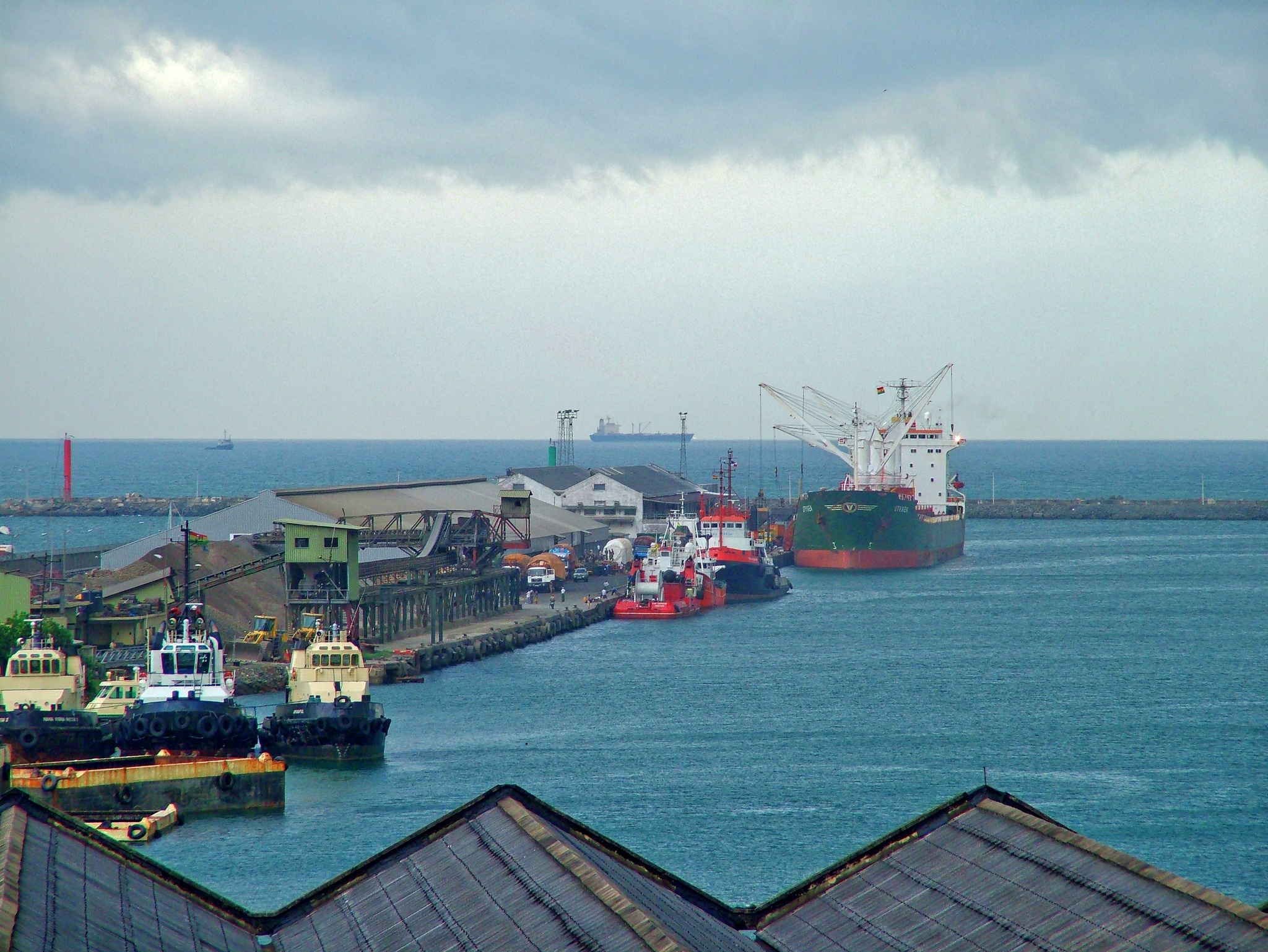
Today it handles bulk cargo — manganese, bauxite, clinker, cocoa, timber — and serves as a base for the offshore oil and gas industry. That last part is why the city now calls itself Oil City. Oil was discovered offshore in 2007 in what became the Jubilee field, production began in 2010, and Takoradi became the service town for the rigs. Rents went up, new hotels went up, and the gap between the oil economy and everyone else became visible in the streets. You will see both sides.
The harbour itself is a secure industrial zone and not open for casual visits. The best views are from the approach roads and from the fishing harbour, where the canoes still land their catch a short distance from the tankers.
What to see in the city
Fort Orange, Sekondi
A Dutch fort of the seventeenth century on the headland at Sekondi, now carrying the lighthouse. Much altered, partly restricted, and more interesting as a landmark and a viewpoint than as a museum. The coast's other lighthouses are covered on the Western Region lighthouses page.
Market Circle
The commercial heart of Takoradi, a roundabout ringed by market stalls and shops. Busy, loud and entirely functional. Go in the morning for the fish and produce sections, and keep an eye on your pockets as in any large Ghanaian market.
Bisa Aberwa Museum
A private museum of Ghanaian carving, sculpture and cultural objects, and one of the few reasons to stay in the city itself for a few hours. Bisa Aberwa Museum in full.
Independence Square
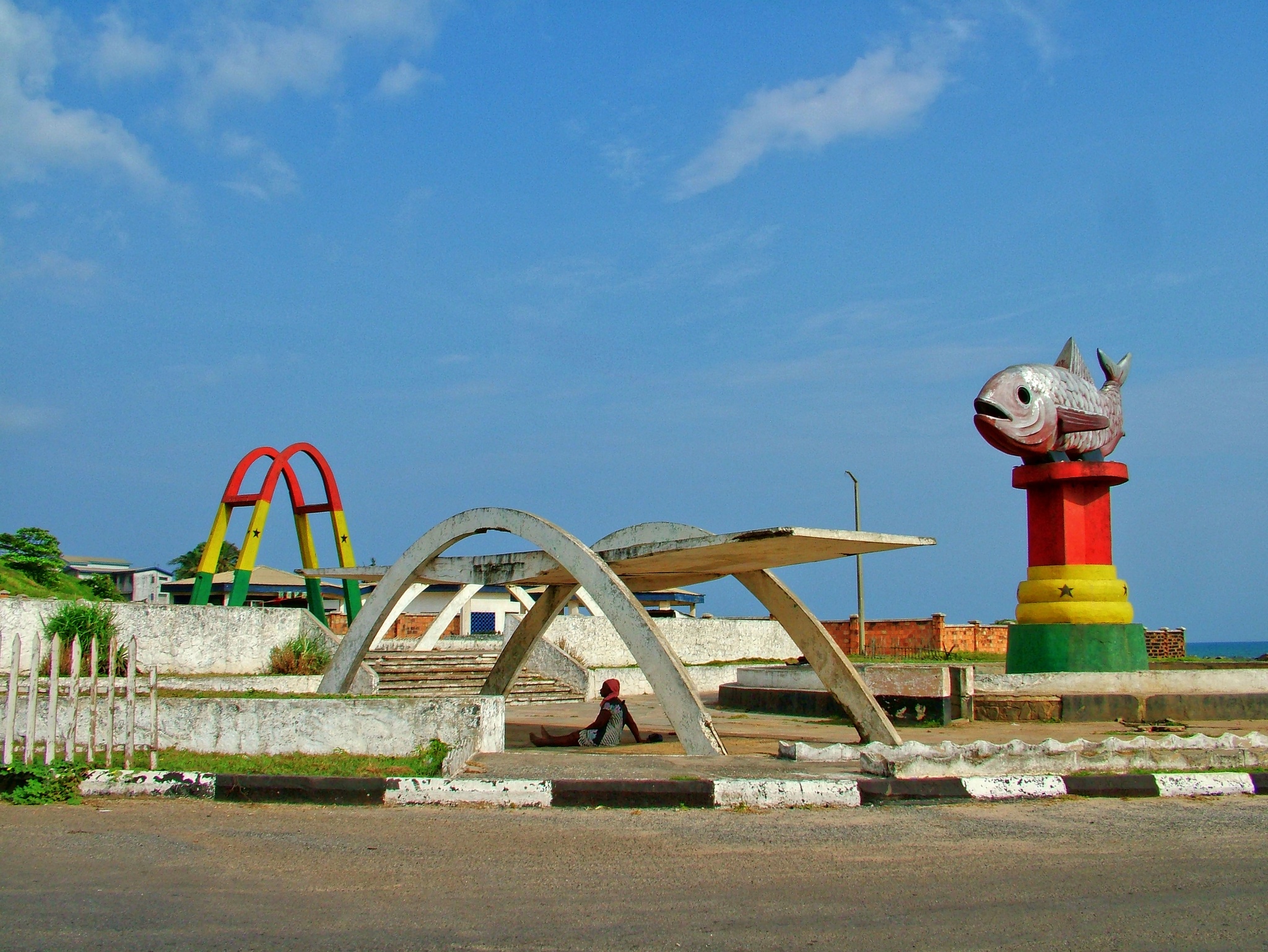
The arch and the fish memorial in the flag's colours. A short stop, but it is where the city stages its national-day parades and it makes a good orientation point.
Getting to Sekondi-Takoradi
By road from Accra
Around 225 km west along the coast road through Cape Coast. Allow four to five hours; the slow parts are getting out of Accra and the stretches through Kasoa and Winneba. Coaches and trotros run all day. It is easy to break the journey at Cape Coast.
By air
Takoradi has an airport with domestic flights from Accra International Airport — under an hour in the air, against half a day on the road. Schedules change; current routes are on flights to and from Ghana and ghanaflights.info.
From Kumasi and the interior
Road links run south via Tarkwa, the mining town at the other end of the old railway, or via Cape Coast. Both are long days. Tarkwa is a working mining town, not a sight, but it explains the whole western economy in one drive.
From Côte d'Ivoire
The main border crossing is at Elubo, west of the city. Sekondi-Takoradi is the first large Ghanaian city on that route. What to expect at the border is on the Ghana–Ivory Coast crossing page.
Inside the city, shared taxis and trotros cover everything. Takoradi and Sekondi are several kilometres apart, so do not plan to walk between them. For how the system works, see public transport in Ghana.
Where to stay
The oil industry has changed the hotel market here. There is now a layer of business hotels aimed at company accounts, priced accordingly, and below it the usual spread of guesthouses and mid-range hotels. Several places along the Takoradi beachfront are pleasant enough. Expect to pay more than the city's look suggests, and check what is included before you commit.
An honest suggestion: unless you have business in the city, sleep one night here at most and move on to the coast. Busua, Dixcove, Akwidaa and Princess Town are all within reach, cheaper for what you get, and far closer to what most visitors actually came to the Western Region for.
When to come
Dry season · December to March
Calmer sea, easier roads to the villages further west, and the best light on the coast. Harmattan haze arrives in December and January but is milder here than inland.
The rains · April to November
The Western Region is the wettest part of Ghana. Rain is heavy and frequent, the forest inland is at its best, and the unpaved roads to smaller sites become slow. Build in time.
Two festivals are worth timing a trip around. Over Christmas and New Year the city stages its masquerade and fancy-dress parades — known locally as Ankos — with bands and costumed groups competing through the streets. Between August and November the Kundum harvest festival of the Ahanta and Nzema moves from town to town along the coast.
Worth the detour nearby
- Egyambra Crocodile Pond — about 55 km west, past Princess Town. A priest calls sacred crocodiles from the water, speaks to them and feeds them Coca-Cola and a live fowl. Strange, real, and best combined with the forts of the Ahanta coast.
- Fort Metal Cross, Dixcove — the British fort above the fishing harbour, next door to the beach town of Busua.
- Princess Town and Fort Groß Friedrichsburg — the Brandenburg fort of 1683 on its headland, the only German fort in Ghana.
- Fort San Sebastian, Shama — east of the city at the mouth of the Pra, Portuguese and then Dutch. Photographed in full on fortsansebastian.ghanamuseums.com.
- Beposo suspension bridge — a short excursion inland from the Shama side.
- Nzulezu — the village built on stilts over Lake Tadane, reached by canoe from Beyin in the far west.
- Nkroful — the birthplace of Kwame Nkrumah and his first resting place, inland from Axim.
- Ankasa — Ghana's wettest rainforest, near the Ivorian border. Hard to reach and worth it.
- Sefwi Wiawso — capital of the Western North Region, gateway to Bia and the cocoa country to the north.
Practical notes, no sugar-coating
- Swimming. Ask locally before going in anywhere on this coast. The surf and currents are strong, and runoff from illegal gold mining carried down the Pra and the Ankobra has made stretches of the Western Region coastline unsafe for swimming. Local fishermen know which beaches and which days are fine. More on the Western Region beaches page.
- Cash. ATMs are fine in Takoradi. Further west, in the villages and at the smaller forts, do not count on them — draw before you leave the city.
- Oil City prices. Hotels and some restaurants are priced for company expense accounts. Ask the price first, everywhere.
- Traffic. The coast road from Accra is busy and has a poor safety record. Travel in daylight, and choose established coach operators over the fastest trotro.
- The harbour and the rigs are secure zones. Do not photograph installations or security posts without permission.
- Time. One day for the city is enough. The coast beyond it deserves several.
The honest verdict
Sekondi-Takoradi will not charm you the way Cape Coast or the Volta villages might. It is a port, a rail town and now an oil town, and it has never pretended to be anything else. But it is where the colonial economy was bolted onto the coast — the harbour, the railway, the workers who then turned against the first government of independent Ghana — and that story is told nowhere else as clearly.
Give it a day, walk the rail yards and the fishing harbour, and then do what almost everyone does and go west. The difference is that you will know what you are driving through.